
From Molecules to Markets: Why Cleantech Innovation Must Prove Itself at Scale
After two decades communicating scientific research for teams from NSF grants to university labs, I saw the full pipeline at Cleantech Forum North America last month. Molecular innovation competing in real markets. Scientists’ and engineers’ work developed into full-scale technologies that reduce pollution, recapture precious materials, and use radically less energy. It was genuinely hopeful.

But what struck me most wasn’t just the innovation. It was how these companies are competing. That’s where cleantech visual storytelling becomes essential.
The Economic Shift in Cleantech
At Cleantech Forum, no one was pitching green alternatives. The conversation was about market competitiveness, dissecting how to make their technology efficient enough to genuinely beat traditional systems on cost and performance. These founders and CEOs are driven by sustainable goals, but they understand they need to compete on the bottom line. Their solutions can’t just be as good or incrementally better than traditional tech. They need to blow it out of the water.
Why? Because we’re talking about large-scale infrastructure: miles-deep mines, multi-acre water treatment plants, sprawling manufacturing chains. To tear out and replace existing systems can be expensive and disruptive. Cleantech has to overcome not just economics, but what I’m calling the “inconvenience tax.” If you’re asking an industry to retrofit or replace working infrastructure, your solution needs to be 10x better to justify the disruption.
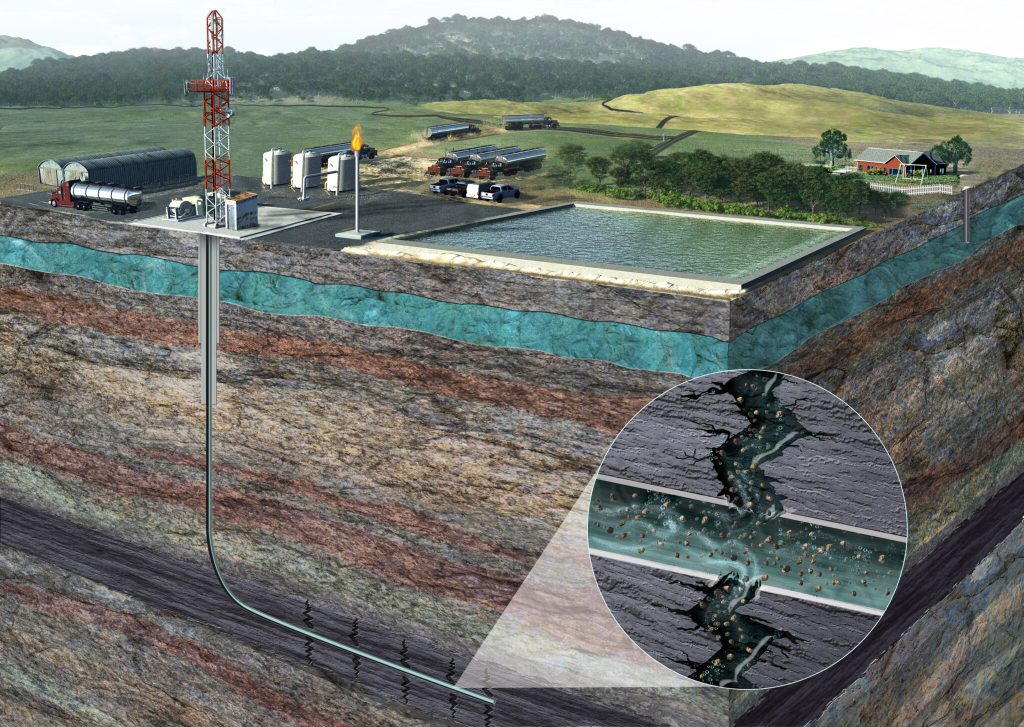
Where Molecular Innovation Meets Industrial Scale
Here’s where visualization becomes critical. Many of the most promising technologies at the conference start with molecular innovation: new chemistry, novel materials, reimagined processes. But they need to operate at industrial scale to compete economically.
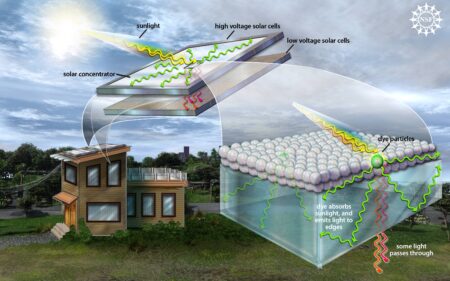
I spoke with companies working on battery recycling (some focusing on EV batteries, others on consumer electronics, each tackling different stages of the recycling process), ammonia production, nanowire technologies, rare earth recovery, biopolymer development, and advanced plastics. Each addresses a different layer of material transformation, but they share a common challenge: showing how molecular-level innovation translates to industrial-scale efficiency.
The Visual Gap
What I saw in presentations were excellent photographs of facilities and compelling economic graphs showing market impact. What was largely missing were the explainer graphics and system diagrams that show how small-scale molecular innovation drives large-scale technological efficiency.
Why is it worth it for mainstream industry to replace their operations with this new tech? How does this one molecular innovation fit into an existing manufacturing chain and make the whole system more efficient? Those questions need visual answers, not just verbal explanations.

This challenge isn’t unique to infrastructure-heavy technologies. We see the same need for clear visual explanation in carbon markets, where trust depends on showing how complex systems actually work.
Visualizing Molecular Innovation at Scale
To make that leap believable, you have to show both levels at once: the mechanism that makes the technology work and the system-level impact that makes it economically viable. When you’re asking investors or industrial partners to understand why your molecular innovation justifies replacing existing infrastructure, you need to show both levels: the mechanism that makes it work AND the system-level impact that makes it economically viable.
Making Complexity Competitive

The companies that will win in this space aren’t just the ones with the best technology. They’re the ones that can clearly communicate why their molecular innovation is worth the inconvenience tax—why it’s worth tearing out what exists and replacing it with something better.
That clarity doesn’t happen by accident. It requires thoughtful visual storytelling that bridges molecular innovation and industrial-scale application. When you’re competing on economics against entrenched systems, that bridge is everything.
That’s why visual communication is becoming part of conference preparation, not an afterthought. If you’re preparing for investor conversations or conference presentations and need to show how your molecular innovation translates to industrial-scale impact, you might find our guide on when to invest in visuals helpful, or you can book a consultation to talk through your upcoming milestones.
The post From Molecules to Markets: Why Cleantech Needs Industrial-Scale Visualization appeared first on SayoStudio.