Masterclass Series: Turning Left When the Market Turns Right with David Goldman (Part 1)
Welcome to the debut of the Directory of Illustration’s Masterclass Series. In this new recurring feature, we sit down with the seasoned Art Reps, Artists, and industry leaders who shape our creative community to talk strategy, survival, and the real-world marketing moves that land jobs.
To kick off the series, we spent some time with veteran Artist Representative David Goldman of the David Goldman Agency. With 46 years of experience navigating the shifting tides of the commercial art world, David considers himself a bit of a rogue and a trailblazer. He has guided premium talent through massive industry shifts—and today, he’s sharing his “pedal-to-the-metal” outlook for the future and the foundational rules of promotion.

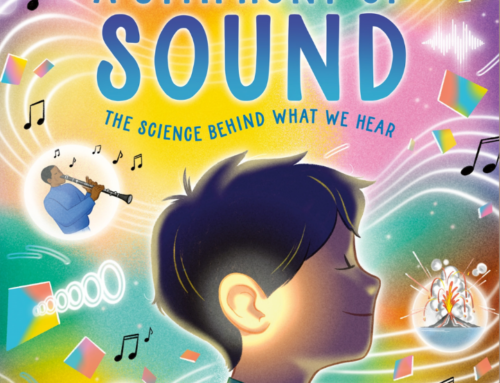
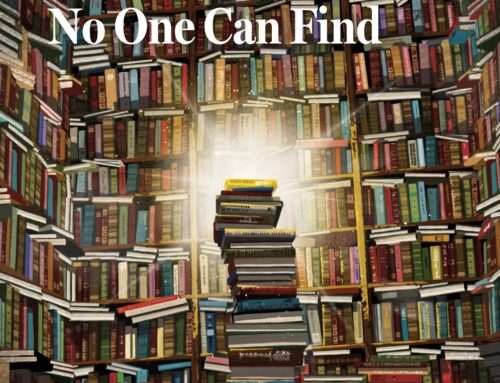
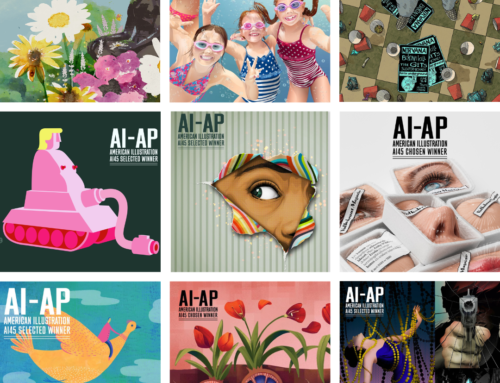
Left to Right, Top to Bottom ©️ Bill Butcher, Aad Goudappel, Norm Bendell, David Anson Russo, Michael Glenwood, Sergio Baradat, Bruno Mallart, Jim Dryden, Anastasia Vasilakis, Arlen Schumer, James Yang
What role has the Directory of Illustration played in your overall marketing strategy over the years?
David Goldman: Let us return to the dark ages of the 1980s when there was no “online” or “websites” or other places to promote other than in directories; dominated by the Blackbook, American Showcase, and RSVP. Eventually Workbook, Alternative Pick, and the Directory of Illustration came into the picture.
There was also a stock art company called Stock Illustration Source (SIS, first published in 1992) that also distributed over 20K books when I first learned about it around 1996. Although it wasn’t a directory per se, it functioned like one, attracting assignment work that they passed along to their stock-artists as a free service.
Being in books was a major “must” to ante-up and play in the game of promoting. We also promoted in magazines, with postcard mailers, posters, sometimes with mugs or other premium items, and of course something major at holiday time for clients (like a bottle of champagne). There was actually a time when art buyers in major agencies would fax me or mail me lists of ALL their art directors. Hence, I created my own database for mailers.
In 2005, when the internet was becoming much more dominant as the future of promoting and directories were still all the rage, the brilliant writer Thomas Friedman published his bestseller “The World is Flat”, which was the roadmap for us all to heed—a warning of sorts about how competition around the world will increase in many industries. He forecast how the internet would begin to change life as we all knew it in different ways. He got that right!!

Jim Dryden/”Pathological Lying”
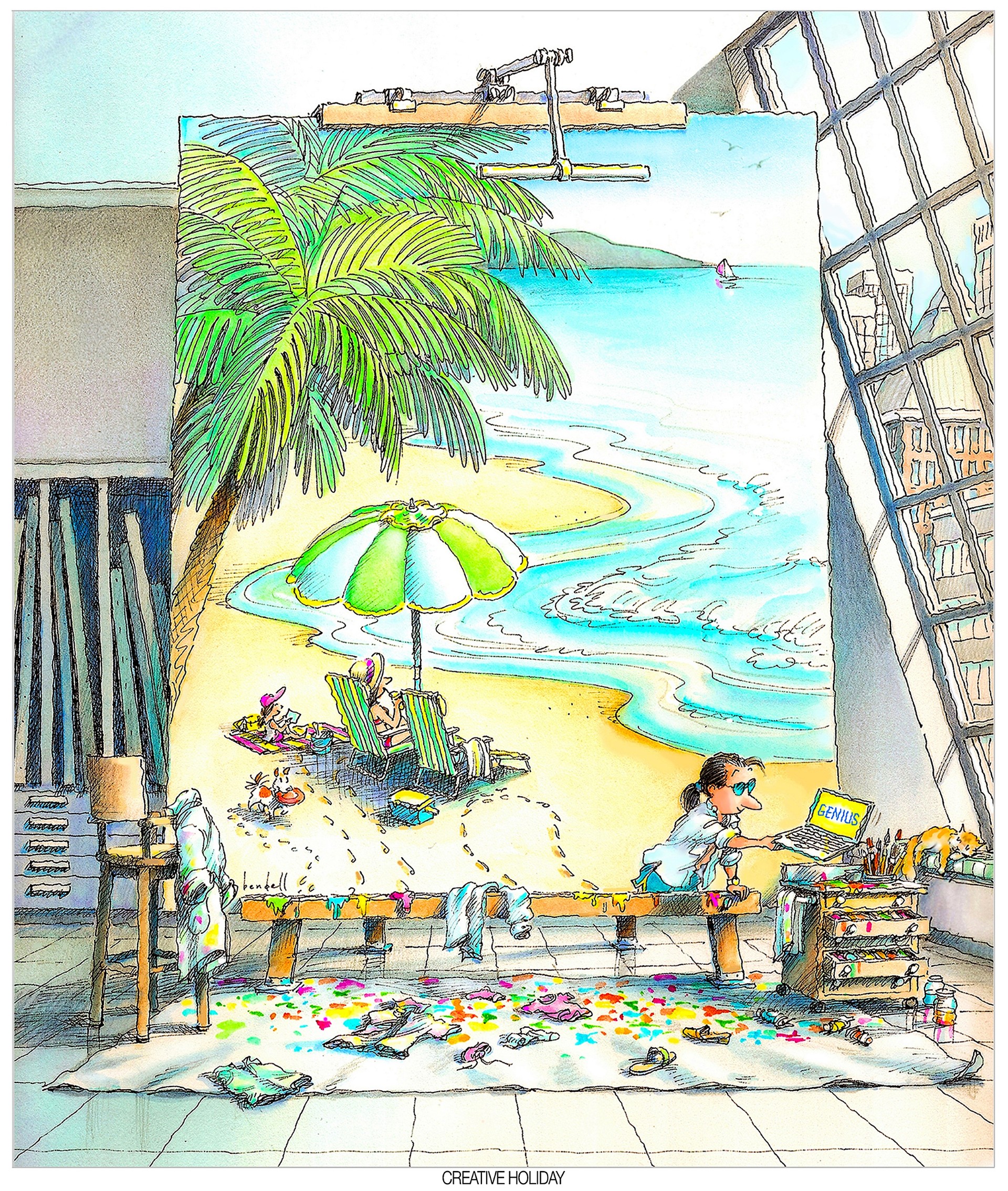
Norm Bendell / “Creative Holiday”

Aad Goudappel for client Managementboek
But for me and the talent I had in the ’80s books, we always attracted work from places I never even knew existed. Two of my earliest illustration talents, Norm Bendell and James Yang, quickly ascended into the marketplace from regional success to the national stage, winning many awards.
As the years went by and the digital revolution arrived, and more and more promoting was being done via the internet and new social media platforms, there was a shift in how “new talent” was being sourced, and the perception was that the printed books were no longer the only place to promote. New ways to promote were growing, and in time many directories ceased to publish a printed book anymore, opting for an online presence only. For many artists who had limited promotion budgets, promoting online became a very attractive alternative, though the competition was now worldwide and being noticed serendipitously in a printed book would no longer be the case for them.
The years 2008–2012 were a disastrous time for us all with the great mega-collapse of the housing market. Every professional had a difficult time making the same living they did pre-2008, which was another boost for promoting online only for many people.
But for me, living through the past 46 years in our biz, I have always urged my talent to keep promoting, no matter how “hot” they were and how successful they were, as the printed book has always yielded some of the best clients and projects far into the future. Even now, in the most challenging and changing of times for freelancers, I believe it is more important than ever to take printed pages in the DI book. As the last book of great respect and stature in our industry left standing, I, and 10 artists in my group (I only rep 15 people—and not all are solely relying upon illustration) are going pedal-to-metal forward into 2027. We are turning left, as the rest of the marketers are turning right.
Allow me to explain “the whys” of Promoting 101, which has many initial, obvious perennial benefits:
-
It tells people in the biz you are still around and in the game.
-
It introduces people who have never heard of you to your work.
-
It shows the market how your approach to styling your images may have changed.
-
It announces and/or shows new media or areas where you are expanding your abilities.
-
It’s always the #1 itemized deduction on your tax return annually.
Beyond 101:
-
Serendipitous Discovery: By being in the printed book, even though the majority of people are searching online, they can view your page (or spread) by clicking on the “Browse the Book” button on the DI website and see your ad. As importantly, they may come across your work serendipitously by browsing each artist and discover your work for the first time. Otherwise, the chance of someone finding your work by searching each artist’s ad in the book is drastically reduced.
-
Dual Presence: When you take a page in the book, you automatically have an online presence at the DI site and can also fill up different categories showcasing a large amount of your images. Your images can also be keyworded for art buyers searching this way.
-
Global Reach: There is also a great connection with the Association of Illustrators (AOI) in the UK when you sign up for a page in DI. They help artists reach the UK and Euro markets peripherally.
-
Incredible Shelf Life: Lastly, a physical book can have a very long shelf life and easily be carted in a beach bag for someone to peruse. I once sold a small $400 editorial job stock image that we had put in a directory promo ad to LOTUS for $10K on a buyout back in the ’90s; the book the image was in was 8 years old!
But the most important reason we still go into DI in 2027 is because major art buyers definitely do access the book.

Greg Hall for client Scana Energy featuring its Bear Mascot
Next month for Part 2: David opens up his agency’s ledger to share the exact real-world success stories—including a massive $150K campaign—that came directly from a single page in the Directory of Illustration. Stay tuned!


About David Goldman
David Goldman started out representing photographers on May 1, 1980, and took on his first illustrator, Norm Bendell, in 1983. By 1987, following the meteoric success of that partnership, he focused solely on representing illustrators. Over the decades, he has gone on to discover and team up with some of the top, award-winning illustrators working today. Along the way, Goldman has become an expert in orchestrating book deals, product licensing, animation production, and developing TV, museum exhibition, NFT, merchandise, and gaming properties across apps, television, and board games.
In 2020, he was invited to join the American Society of Collective Rights Licensing (ASCRL) as the only artist representative serving in an advisory capacity to its board of directors. Modeling his career persona after the quiet, behind-the-scenes presence of the Tom Hagen character in The Godfather, David keeps a low profile within the industry. Anyone who has ever had dealings with him experiences his lightness, sharp sense of humor, and deep sense of fairness—creating the ultimate positive experience for clients while consistently setting his talent up for success. Underneath it all, his 46+ years of front-line experience is priceless, benefiting his roster daily. Freely giving advice to other reps and creative people from around the world is his favorite way to pay it forward in a fast-changing landscape.
Recently, an artist from Africa set out on a mission to find top-tier representation in New York City. A search through ChatGPT led him straight to the David Goldman Agency as one of America’s leading rep firms—an unsolicited honor that brought tears of joy to him and his wife. For Goldman, it stands as a fitting tribute in an industry that rarely recognizes artist representatives with formal awards.